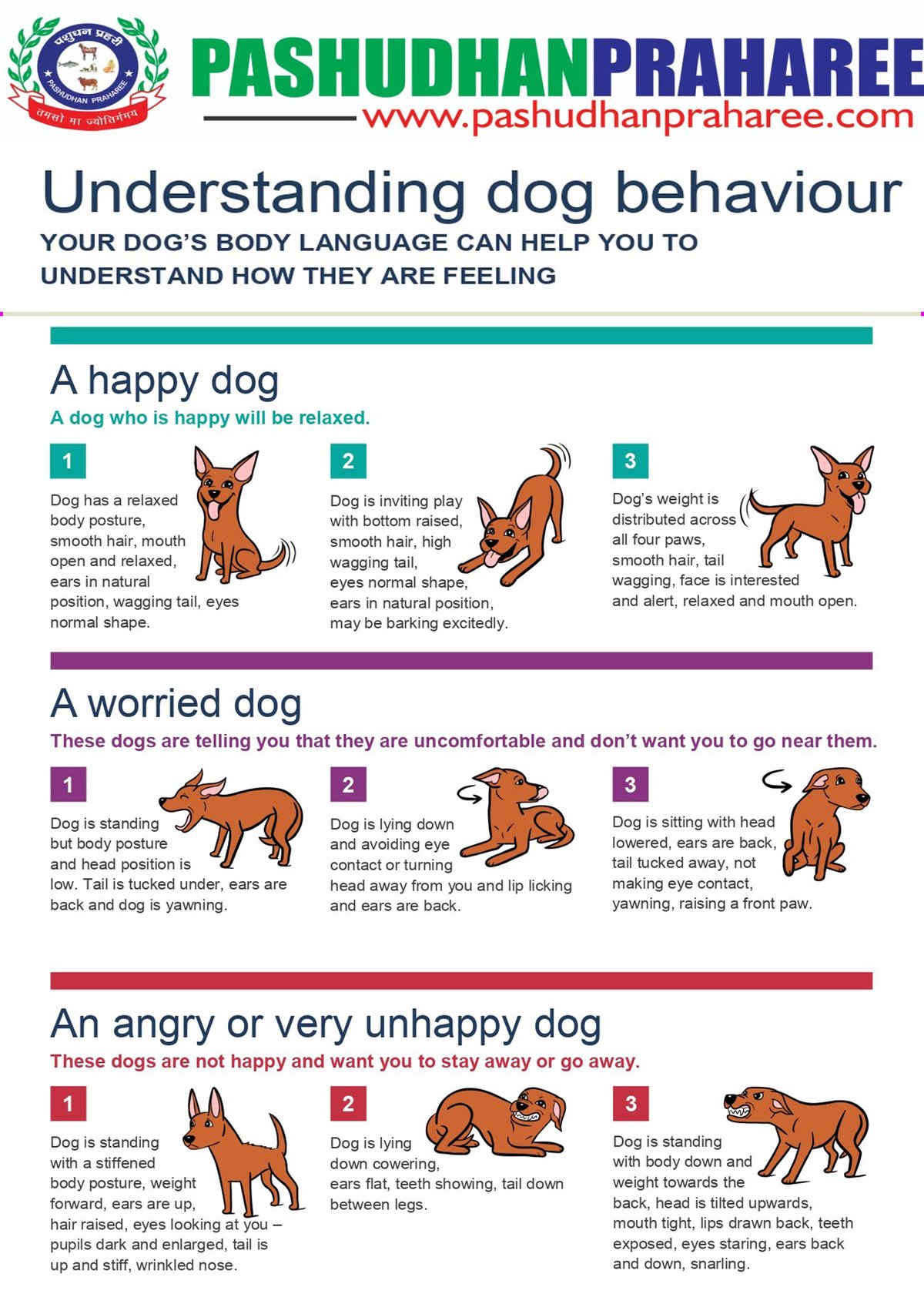
Every bark, nip, and puddle left on the floor might feel like a challenge when you bring a new puppy home. But what if you could understand the "why" behind their every antic? Understanding puppy behavior isn't just about managing a furry little whirlwind; it’s about speaking their language, setting them up for success, and building an unbreakable bond that lasts a lifetime. This isn't just a phase; it's a critical developmental period where the foundations of their adult personality and habits are laid. Misinterpret these crucial signals, and you risk confusion, frustration, and long-term behavioral issues. Get it right, and you’ll raise a confident, well-adjusted companion.
At a Glance: Decoding Your Puppy's World
- Behavior is Communication: Every action, from chewing to barking, tells you something about your puppy's needs, feelings, or developmental stage.
- Stages Matter: Puppies go through distinct developmental phases, each requiring tailored responses and training methods.
- Normal Isn't Always Naughty: Many behaviors that seem problematic (like nipping or house training accidents) are normal parts of puppy development.
- Positive Reinforcement is Key: Reward the behaviors you want to see; it's far more effective than punishment.
- Socialization is Critical: Exposing your puppy to diverse experiences early on shapes their confidence and adaptability.
- Routine is Reassurance: A consistent schedule provides security and helps your puppy learn what to expect.
- When in Doubt, Ask a Pro: Don't hesitate to seek expert help for persistent or concerning behaviors.
Why Do Puppies Do What They Do? Unpacking the Influencers
Before you can effectively guide your puppy, it helps to understand the complex tapestry of factors that weave together to create their unique personality and actions. It's rarely just one thing; often, it's a blend.
The Genetic Blueprint: Breed Tendencies
Just like humans inherit certain traits, puppies come pre-programmed with instincts shaped by their breed's history. A Border Collie puppy might naturally try to "herd" your ankles, while a Labrador puppy might carry everything in their mouth. A Golden Retriever puppy might have an innate desire to carry things in their mouth, a trait stemming from their retrieving heritage. Understanding these inherent drives can help you channel them positively, rather than fighting against them. For instance, giving a herding breed puppy a puzzle toy to "herd" rather than your feet, or a retriever a toy to fetch.
The Power of Early Experiences: Socialization & Environment
Perhaps the most impactful factor in shaping a puppy's behavior is their early life experiences. Dr. Sarah Mitchell, a respected specialist in canine behavior, emphasizes that "early socialization is paramount. It’s the single most important factor in shaping positive behaviors and significantly reducing anxiety and fear in adult dogs." Puppies need positive exposure to a wide variety of sights, sounds, people, and other vaccinated, well-behaved animals during their critical socialization window (typically 3-16 weeks). A lack of this early exposure can lead to fear, aggression, and anxiety later in life.
Beyond socialization, their daily environment and routines play a huge role. Is their home calm and predictable, or chaotic and inconsistent? Are they getting enough mental and physical stimulation, or are they bored and destructive?
Health & Happiness: The Foundation
A healthy puppy is a happy puppy. Underlying health issues, even subtle ones, can manifest as behavioral problems. Pain, discomfort, or dietary imbalances can lead to irritability, lethargy, or even house-training regressions. Always rule out medical causes with your vet if a new or worsening behavior suddenly appears. Their diet, sleep, and overall physical well-being are foundational to their emotional and behavioral health.
The Puppy Playbook: Developmental Stages & Their Quirks
Puppies are not miniature adult dogs; they are rapidly developing beings going through distinct phases, each with its own set of behavioral milestones and challenges. Tailoring your approach to their current stage is critical for effective training and building a strong bond.
3-7 Weeks: Littermate Lessons
This early phase, often experienced with their mother and siblings, is crucial for learning essential canine social skills. Puppies learn bite inhibition (how hard is too hard?), appropriate play behavior, and how to read other dogs' signals. During this time, they also begin to bond and form attachments. If separated too early, they might miss out on these vital lessons, potentially leading to issues like overly hard biting or difficulty interacting with other dogs.
8-12 Weeks: Navigating a New World
This is often when your puppy comes home, marking a period of significant change and new experiences. This phase also marks the beginning of a primary "fear period." Everything is new, exciting, and sometimes scary. Establishing a consistent routine – for feeding, potty breaks, play, and sleep – provides much-needed security. This is prime time for gentle, positive socialization to their new home and family.
3-6 Months: The Teething & Testing Tornado
Around this time, your puppy's adult teeth start coming in, leading to increased chewing and mouthing. Their world expands as they gain more confidence and mobility, and they'll start "testing the waters" to see what they can get away with. This can manifest as increased independence, selective listening, and more persistent biting. This period is often a peak for energy and mischief.
6-12 Months: Teenage Rebellion
Welcome to adolescence! Just like human teenagers, adolescent puppies often seem to "forget" their training. Impulse control can plummet, they might listen less, and their confidence grows, sometimes leading to new fears or reactions to things they previously ignored. This is a critical time to reinforce all prior training with patience and consistency, and continue positive socialization experiences.
12-18 Months (and Beyond): Settling into Adulthood
While some larger breeds might take longer, most puppies begin to settle into their adult personalities and habits during this phase. Training should be refined, and obedience becomes more consistent. This is a time to solidify good habits and enjoy the fruits of your early labor. However, continued mental and physical stimulation is still vital to prevent boredom and maintain a well-behaved dog. For a broader overview of dog development, consider our Essential guide to baby dogs.
Decoding Common Puppy Behaviors (and What to Do About Them)
Many behaviors that seem "naughty" are simply a puppy's way of exploring their world, communicating, or expressing natural instincts. Understanding the "why" allows you to respond effectively and guide them toward more desirable actions.
1. Mouthing & Chewing: The Natural Explorer
Why it Happens: Puppies explore with their mouths. It's how they learn about textures, tastes, and the world around them. When they're 3-6 months old, teething pain intensifies this urge to chew. It's a completely normal, instinctual behavior.
Your Playbook Action:
- Redirect, Redirect, Redirect: As soon as puppy mouths you, offer an appropriate chew toy. Praise them for taking the toy.
- "Ouch!" & Pause: If they bite too hard during play, give a sharp, brief "ouch!" or yelp, then immediately stop playing for 10-15 seconds. This mimics how littermates teach bite inhibition.
- Frozen Relief: Offer frozen Kongs or special frozen chew toys to soothe teething gums.
- Bitter Spray: For forbidden items (like furniture legs), use a non-toxic bitter apple spray.
- Teach "Leave It" & "Drop It": These cues are invaluable for preventing them from chewing on inappropriate items and for getting them to release objects safely.
2. Jumping: An Enthusiastic Greeting
Why it Happens: Puppies jump for attention or out of sheer excitement when greeting people. In their world, jumping up to reach your face is a natural, albeit clumsy, way to say hello.
Your Playbook Action:
- Ignore the Jump: Turn your back, cross your arms, and completely ignore your puppy until all four paws are on the floor.
- Reward Calmness: The moment your puppy sits or stands calmly, even for a second, immediately praise and reward them.
- Enlist Guests: Ask visitors to follow the same protocol – turn away until the puppy is calm, then reward.
- "Four on the Floor": Consistently reward your puppy for keeping all four paws on the ground when greeting, teaching them this is the only way to get attention.
3. Barking: Finding Their Voice
Why it Happens: Puppies bark for many reasons: to alert you to something, out of boredom, to seek attention, because they're afraid, or simply because they're just discovering their vocal abilities.
Your Playbook Action:
- Address the Root Cause: Is your puppy bored? Provide more mental and physical exercise. Are they scared? Work on positive exposure. Are they attention-seeking? Ignore attention barks, but reward quiet behavior.
- Teach "Quiet": When your puppy barks at a trigger, let them bark once or twice, then interrupt with a treat right at their nose to silence them. As they chew, say "Quiet." Gradually increase the time they must be quiet before getting the treat.
- Increase Enrichment: Puzzle toys, sniff games, and interactive play can greatly reduce boredom barking.
- Never Reward Barking: Giving attention (even negative attention like scolding) for barking can inadvertently reinforce the behavior.
4. Digging: A Primal Pleasure
Why it Happens: Digging can be pure fun, a way to cool down, a means to escape, or an expression of their hunting instincts. Some breeds are simply predisposed to it.
Your Playbook Action:
- Designate a "Digging Zone": Create a legal digging spot in your yard, like a sandbox or a designated patch of loose soil. Bury toys or treats there to encourage them to use it.
- Redirect: If you catch them digging elsewhere, gently interrupt and lead them to their digging zone, praising them when they start to dig there.
- Supervise: Don't leave your puppy unsupervised in the yard, especially if digging is an issue.
5. House Training Hurdles: Learning the Ropes
Why it Happens: Puppies lack bladder and bowel control and don't instinctively know that indoor spaces are off-limits for elimination. Most aren't reliably house-trained until 6 months or older.
Your Playbook Action:
- Consistent Schedule: Establish a strict feeding and potty schedule. Take your puppy out every 2-3 hours (or more frequently for very young puppies), immediately after waking, after playing, and after eating.
- Designated Potty Spot: Always take them to the same spot outside. This helps them associate that location with elimination.
- Reward Success Outdoors: The moment they go potty outside, offer enthusiastic praise and a high-value treat. Make it a celebration!
- Never Punish Accidents: Punishing a puppy for an indoor accident teaches them to fear you and hide their eliminations, making house training harder. Clean up thoroughly with an enzymatic cleaner.
- Crate Training: A crate can be an invaluable tool, as dogs naturally avoid soiling their sleeping area.
6. Separation Anxiety: The Fear of Being Alone
Why it Happens: Some puppies become genuinely distressed when left alone, manifesting as incessant barking, destructive chewing, or accidents. This isn't naughtiness; it's panic.
Your Playbook Action:
- Start Small: Begin with very short absences (a few seconds), gradually increasing the duration as your puppy remains calm.
- Positive Associations: Before leaving, give them a high-value, long-lasting treat (like a frozen Kong) that they only get when you leave.
- Safe Space: Ensure they have a comfortable, safe space (like a crate or a puppy-proofed room) where they feel secure when alone.
- Don't Make a Fuss: Minimize greetings and departures. Your calm demeanor helps them understand it's not a big deal.
The Pillars of Positive Puppy Training: Building Good Habits
Effective training isn't just about teaching tricks; it's about clear communication, consistency, and building a strong, trusting relationship.
The Power of Positive Reinforcement
This is the golden rule of puppy training. Dogs repeat behaviors that earn them good things. Positive reinforcement means rewarding your puppy immediately when they do something you like, making them more likely to do it again. It's far more effective and builds a stronger bond than punishment, which can lead to fear and distrust.
- Timing is Everything: Reward your puppy within 1-2 seconds of the desired behavior. This instant feedback helps them understand exactly what they did right.
- Consistency is Crucial: Everyone in the household needs to use the same commands and rules. Mixed signals confuse puppies.
- High-Value Rewards: While kibble might work for some, use extra special treats (boiled chicken, cheese, hot dogs) for difficult new behaviors or for especially good responses.
- Keep Sessions Short & Sweet: Puppies have short attention spans. Several 5-minute training sessions throughout the day are much more effective than one long, boring one.
- Always End on a Positive Note: Finish each session with a successful, easy command, ensuring your puppy feels like a winner.
The Social Butterfly: Why Early Exposure Matters
As Dr. Mitchell highlighted, early socialization is critical. During the sensitive period of 3 to 16 weeks, puppies are most receptive to new experiences. Your goal is to create positive associations with a wide array of stimuli:
- People: Different ages, genders, appearances (hats, glasses).
- Other Animals: Vaccinated, well-behaved dogs of various sizes and breeds. Supervised play is key.
- Environments: Parks, pet stores (where appropriate), city streets, quiet neighborhoods.
- Sounds: Traffic, vacuums, thunderstorms (use desensitization recordings).
- Situations: Car rides, vet visits, being handled (paws, ears, mouth).
This foundation of positive exposure builds confidence and prevents fearful, reactive behaviors in adulthood.
Finding the Sweet Spot: Physical & Mental Stimulation
A tired puppy is often a well-behaved puppy. But "tired" means more than just physical exertion.
- Physical Exercise: A general rule of thumb is 5 minutes of exercise per month of age, twice a day. So, a 3-month-old puppy gets 15 minutes, twice daily. Avoid high-impact activities like long runs or intense jumping until their growth plates have closed (around 12-18 months, depending on breed). Leash walks, controlled play, and short fetch sessions are great.
- Mental Stimulation: This is often overlooked but just as important. Engage your puppy's brain with:
- Food puzzle toys.
- Short, positive training sessions.
- Scent games (hide-and-seek with treats).
- Interactive playtime with you.
The Rhythm of Routine
Puppies thrive on predictability. A consistent routine for feeding, potty breaks, exercise, training, rest, and sleep reduces anxiety and helps them understand the structure of their day. They learn what to expect and when, which builds confidence and makes house training and schedule adherence much easier.
Essential Tools for Your Puppy Parent Toolkit
Having the right equipment can make training smoother and more effective.
- Clicker: A small device that makes a distinct sound, used as a precise marker for desired behavior, followed by a treat.
- Crate: A safe, den-like space that aids in house training, provides a secure retreat, and helps with independence training.
- Baby Gates: Useful for blocking off unsafe areas, establishing boundaries, or giving your puppy a "safe zone" while you're busy.
- Variety of Chew Toys: Essential for satisfying their natural urge to chew and diverting them from inappropriate items. Look for different textures and durability levels.
- Treat Pouch: Keeps treats readily accessible during training sessions, allowing for quick and timely rewards.
Beyond the Basics: When to Call in the Pros
While many puppy behaviors are normal and manageable with consistent training, there are times when professional help is essential. Don't hesitate to seek assistance if your puppy exhibits:
- Aggression: Any growling, snapping, or biting (beyond typical puppy nipping) towards people or other animals. This needs immediate professional intervention.
- Severe Separation Anxiety: Persistent, extreme distress (howling, destructive behavior, frantic attempts to escape) when left alone, despite your best efforts.
- Persistent Fear or Anxiety: An ongoing state of fearfulness, phobias, or generalized anxiety that significantly impacts their quality of life.
- Resistance to Basic Training: If, after consistent effort, your puppy is still not responding to fundamental commands or house training.
- Safety Concerns: Any behavior that puts your puppy or others at risk.
Additionally, if a behavior suddenly changes, persists for more than a month, or is accompanied by lethargy or other physical symptoms, always consult your veterinarian first to rule out any underlying health issues.
Quick Bites: More Puppy Behavior Facts
- Sleep, Sleep, and More Sleep: Puppies need a lot of it! It's normal for them to sleep 18-20 hours a day, including frequent naps, deep night sleep, and crashes after play or during growth spurts. Sleep is vital for their physical and mental development.
- The Zoomies (FRAPs): Those sudden bursts of frenetic energy where your puppy tears around the house? Known as "Frenetic Random Activity Periods" or "zoomies," they're completely normal. They often occur in the morning or evening, after a nap, during exciting situations, or when your puppy is overtired or overstimulated. Give them a safe, open space to burn off this energy.
- Puppy vs. Adult Barking: Puppy barking is often for play or attention. Adult dogs may bark territorially or as an alert, with different motivations and often a more distinct tone.
- Puppy vs. Adult Chewing: Puppies primarily chew due to teething pain and exploration. Adult dogs chew out of boredom, anxiety, or learned habit.
- Data Points:
- 90% of puppies chew as part of their natural development (ASPCA data).
- 75% of puppies require proper socialization to develop into well-adjusted adults (AKC data).
- 95% of puppies benefit from structured training to learn appropriate behaviors (VCA data).
Your Investment Today, A Well-Adjusted Dog for Life
Bringing a puppy into your home is an incredible adventure, full of joy, laughter, and a fair share of learning curves. By actively engaging in understanding puppy behavior – the "why" behind their actions – you're not just correcting problems; you're nurturing a bond built on trust and mutual respect.
Every redirection, every calm moment rewarded, every positive exposure you facilitate is an investment in your puppy's future. It's about laying a solid foundation for a confident, happy, and well-adjusted adult dog. The time and patience you pour into your puppy today will pay dividends for the rest of their long, loving life as your cherished companion. You've got this!