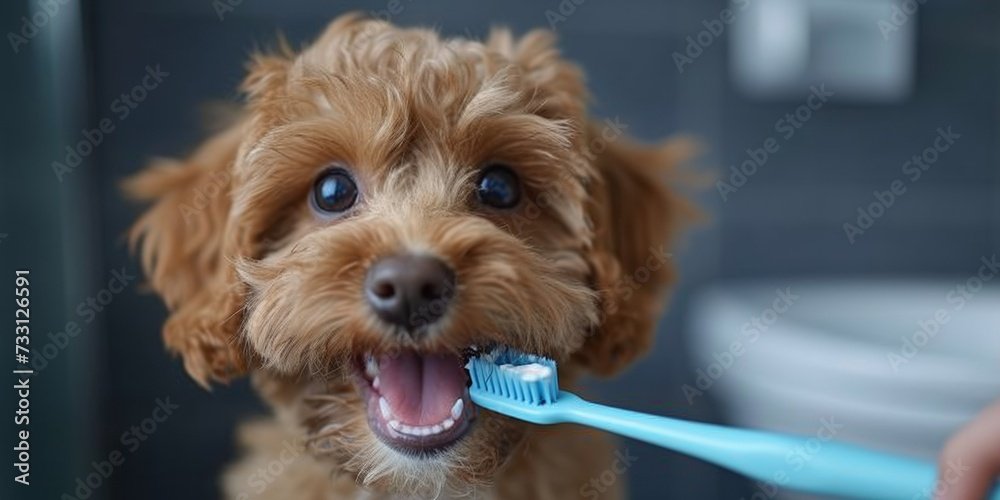
Bringing a new puppy home is a whirlwind of joy, cuddles, and maybe a few chewed slippers. Amidst all the excitement, it’s easy to overlook one of the most critical aspects of their well-being: proper Puppy Grooming & Hygiene. This isn't just about keeping them looking pretty; it’s fundamental to their health, comfort, socialization, and even their confidence. Getting it right from day one sets the stage for a lifetime of happy, healthy interactions, both for your puppy and for you.
Imagine tiny mats forming behind their ears, pulling at their skin with every head tilt. Or dental pain from neglected teeth, making eating a chore. These aren't just minor inconveniences; they can lead to serious health issues, discomfort, and even behavioral problems. By establishing a positive grooming routine early, you're not just preventing problems; you're building a deeper bond, teaching patience, and ensuring you can spot potential health concerns before they escalate.
At a Glance: Your Puppy Grooming Essentials
- Start Early, Start Positive: Introduce gentle handling and short grooming sessions immediately.
- Consistency is Key: Frequent, brief sessions build positive associations.
- Professional Debut: Aim for 12-14 weeks, once vaccinations are current.
- Brush Regularly: 2-7 times/week, daily for long or curly coats, to prevent mats and shed.
- Bathe Sparingly: Every 3-4 weeks with puppy-safe shampoo.
- Nail Patrol: Trim every 1-2 weeks, tiny trims are better than infrequent full sessions.
- Ear Checks: Weekly visual checks, clean only as needed with vet-approved cleaner.
- Dental Daily: Start with toothbrush familiarity, aim for daily brushing with puppy toothpaste.
- Home Kit: Essential brushes, trimmers, and toothpaste for maintenance.
- Watch for Red Flags: Consult your vet for pain, redness, discharge, or skin issues.
Why Grooming Matters More Than You Think
Grooming is far more than just aesthetics for your new furry family member. It’s a holistic practice that touches every aspect of their health and happiness:
- Prevents Painful Matting: Unbrushed fur, especially in long-haired or curly breeds, quickly turns into dense mats. These mats pull at the skin, restricting blood flow, causing irritation, and creating a breeding ground for skin infections. Severe matting can even hinder movement and cause circulation issues.
- Boosts Dental Health: Dental disease is incredibly common in dogs and can lead to pain, tooth loss, and even systemic health problems affecting organs like the heart and kidneys. Regular tooth brushing, started young, is your best defense.
- Protects Paws: Overgrown nails can cause pain, deform your puppy's foot structure, and lead to injuries like torn nails or difficulty walking. Keeping nails trimmed promotes proper paw health and comfort.
- Prevents Ear Infections: Some breeds are prone to ear infections due to floppy ears or excessive hair growth in the ear canal. Regular, gentle ear cleaning can help prevent painful infections.
- Enhances Socialization & Confidence: A puppy comfortable with being touched, brushed, and handled is a more confident and well-adjusted dog. Positive grooming experiences teach them to trust human touch and can make vet visits and future professional grooming sessions less stressful.
- Strengthens Your Bond: Gentle grooming sessions filled with praise and treats can become a calming, positive ritual, deepening the connection between you and your puppy.
- Early Detection of Health Issues: Regular grooming puts you in close contact with your puppy's entire body. This hands-on time allows you to notice subtle changes like lumps, bumps, scabs, parasites (fleas, ticks), skin irritations, ear discharge, or dental problems that might otherwise go unnoticed until they become more severe.
Starting Early: The Golden Rule of Puppy Grooming
The moment your puppy steps into your home, the clock starts ticking on their socialization window. This critical period, roughly until four months of age, is when they are most open to new experiences and forming positive associations. This applies directly to grooming.
Don't wait! Begin acclimating your puppy to grooming immediately.
- Short & Sweet Sessions: Start with extremely brief sessions, just 1-3 minutes long, multiple times throughout the day. The goal is to make it a positive, non-threatening experience, not to complete a full groom.
- Treats & Praise are Your Allies: Every gentle touch, every brush stroke, every moment of cooperation should be met with enthusiastic praise and high-value treats. You want your puppy to associate grooming with good things.
- Emphasize Comfort: Always stop before your puppy loses patience or becomes stressed. You want them to think, "Oh, that was easy, and I got treats!" not "Ugh, this again?"
- Gentle Handling Practice: Regularly, gently touch their paws, ears, nose, belly, and mouth. Hold their paw for a second, then treat. Lift an ear, treat. Touch their gums, treat. This desensitizes them to handling and prepares them for specific grooming procedures.
- Toothbrush Introduction: This is a gradual process. First, let them lick puppy-safe toothpaste off your finger. Then, gently touch the brush (with toothpaste) to their teeth. Gradually work up to brushing a few teeth for a few seconds, eventually aiming for a full-mouth brushing over several weeks or months.
This early, positive exposure is invaluable. It teaches them that being handled is safe, pleasant, and rewarding. For more comprehensive advice on navigating those crucial first few weeks with your new companion, explore our baby dog guide.
When to Call in the Pros: Your Puppy's First Grooming Appointment
While home grooming is essential, professional grooming services offer specialized care and tools, especially for breeds with complex coats.
Timing is Everything:
- General Rule: Aim for your puppy's first professional grooming appointment between 12 and 14 weeks of age.
- Vaccinations First: Ensure your puppy's core vaccinations (especially distemper, parvovirus, and rabies) are up-to-date before their first salon visit to protect them from potential exposure to illnesses.
- Breed Specifics: Long-haired and curly-haired breeds (like Maltese, Poodles, Goldendoodles) may benefit from an even earlier "puppy trim" to prevent matting from forming during their critical coat development phase. Don't wait until they're matted to introduce them to the groomer!
Remember, the ability to form positive associations with new experiences significantly decreases after four months. Getting them in for a gentle, positive "puppy intro" groom before this window closes is crucial for their lifelong comfort with professional care.
Choosing the Right Groomer:
This isn't just about finding someone with clippers; it's about finding a compassionate professional who understands puppy behavior and prioritizes positive experiences.
- Seek Recommendations: Ask your veterinarian, breeder, or other trusted dog owners for referrals.
- Visit the Facility: Don't hesitate to drop by (or call ahead to schedule a tour). Check for cleanliness, safety (secure kennels, non-slip floors), and a calm atmosphere.
- Ask About Experience with Puppies: A good groomer will have specific protocols for puppy introductions, focusing on short sessions, positive reinforcement, and gentle handling.
- Confirm Vaccination Requirements: A reputable groomer will require proof of current vaccinations to protect all animals in their care.
- Observe Interactions: If possible, watch how the groomers interact with other dogs. Are they patient? Gentle?
- Discuss Your Puppy's Needs: Be upfront about your puppy's temperament, any fears, or specific coat needs.
Preparing Your Puppy (and Yourself) for the Appointment:
- Continued Home Handling: The more you handle your puppy's paws, ears, and face at home, the better prepared they'll be.
- Stay Calm: Dogs are experts at reading our emotions. If you're anxious about dropping off your puppy, they'll pick up on that. Project calm confidence.
- Don't Rush: Arrive with enough time, so neither you nor your puppy feels rushed or stressed.
Your Puppy's Grooming Calendar: Frequencies at a Glance
Consistency is key to effective grooming and maintaining your puppy's health. Here's a general guide to how often different grooming tasks should be performed:
| Grooming Task | Young Puppies (< 6 Months) | Adult Dogs (Generally) |
|---|---|---|
| Professional Grooming | Every 2-3 weeks (short "puppy intro" sessions to establish routine) | Every 4-6 weeks (bathing, nail trims, haircuts) |
| Brushing | 2-7 times/week (daily for long/curly-haired breeds) | 2-7 times/week (daily for long/curly-haired breeds) |
| Bathing | Every 3-4 weeks (with puppy-safe shampoo) | Every 3-4 weeks |
| Nail Trimming | Every 1-2 weeks (tiny, frequent trims) | Every 1-2 weeks |
| Ear Checks & Cleaning | Weekly light check, clean as needed (if dirt/wax present) | Weekly light check, clean as needed |
| Teeth Brushing | Daily (gradual introduction) | Daily (or dental chews/supplements as veterinarian recommends) |
| Note: These are general guidelines. Your vet or professional groomer may recommend different frequencies based on your puppy's specific breed, coat type, activity level, and health conditions. |
The Head-to-Paw Grooming Guide: Core Procedures & Tools
Let's break down the essential grooming tasks you'll tackle at home and what tools you'll need.
Brushing for a Beautiful Coat
Brushing is more than just detangling; it removes loose hair, dirt, and debris, distributes natural skin oils, stimulates circulation, and reduces shedding.
- Tools:
- Bristle Brush: Best for short, smooth coats (e.g., Beagles, Labs).
- Slicker Brush: Excellent for removing mats and tangles from medium to long, curly, or double coats (e.g., Golden Retrievers, Poodles).
- Undercoat Rake: For double-coated breeds during shedding season (e.g., Huskies, German Shepherds).
- Metal Comb: Essential for checking for mats, especially in longer coats.
- Technique:
- Always brush in the direction of hair growth.
- Start with gentle, short strokes.
- Work in sections, especially for longer coats.
- Reward frequently with treats and praise.
- Pay special attention to "hot spots" for mats: behind the ears, under the collar/harness, in the armpits, and between the legs. Use a comb to check these areas after brushing.
- If you encounter a mat, gently try to work it out with your fingers or the corner of a slicker brush. Never pull hard, and if it's severe, consult a groomer or vet.
Bathing Your Wiggling Wonder
Bathing keeps your puppy clean and helps maintain skin health.
- Tools:
- Puppy-Safe Shampoo: Crucial! Human shampoos are too harsh and can irritate their skin.
- Warm Water: Test it on your inner wrist.
- Non-slip Mat: For the tub or sink.
- Several Towels: For drying.
- Cotton Balls: To gently place in ears to prevent water from entering the ear canal (remove immediately after bath).
- Technique:
- Prepare: Gather all your supplies before getting your puppy wet. Brush them thoroughly beforehand to remove any loose hair and tangles.
- Wet Down: Gently wet your puppy's coat thoroughly with warm water, avoiding their face directly.
- Lather: Apply a small amount of puppy shampoo and gently lather, working from neck to tail. Avoid getting shampoo in their eyes or ears.
- Rinse Thoroughly: This is the most crucial step! Residual shampoo can irritate skin. Rinse until the water runs clear and no suds remain.
- Dry: Blot your puppy dry with towels. For breeds with thick coats, a low-setting hairdryer (held at a distance and never aimed directly at their face) can speed up drying. Ensure they are completely dry to prevent skin issues. The entire bathing process, including drying, can take 30-40 minutes, or even longer for very fluffy breeds.
Nail Trimming: A Gentle Art
Overgrown nails are painful and can lead to paw deformities. Frequent, tiny trims are key to keeping them short and making the experience positive.
- Tools:
- Guillotine or Scissor-Style Clippers: Choose a size appropriate for your puppy.
- Grinder (Dremel-style): An alternative to clippers that smooths edges.
- Styptic Powder: Essential to have on hand for accidental nicks. It stops bleeding quickly.
- High-Value Treats: Lots of them!
- Technique:
- Identify the Quick: The "quick" is the sensitive, pink part of the nail containing blood vessels and nerves. Cutting into it is painful and will bleed. In clear nails, you can see it. In dark nails, it's harder; look for the "powdered donut" effect – a small gray or black dot in the center of the clipped surface, signaling you're close to the quick.
- Small & Frequent: Start by trimming just the very tip, a tiny bit at a time. It’s better to trim 1-2 nails a day or every few days than to try to do all of them in one stressful session.
- Reward: After each nail (or even just touching the clippers to a nail), praise and offer a treat.
- If You Nick the Quick: Don't panic. Apply styptic powder firmly to the bleeding nail until it stops. Reassure your puppy.
Ear Care: Keeping Them Clean and Clear
Healthy puppy ears should be pale pink, free of odor, and without excessive wax or debris.
- Tools:
- Vet-Approved Ear Cleaner: Never use water, hydrogen peroxide, or rubbing alcohol.
- Cotton Balls or Pads:
- Technique:
- Inspect: Gently lift your puppy's ear flap and look inside. If it's red, swollen, has a foul odor, or has a lot of dark discharge, consult your vet; it could be an infection.
- Clean as Needed: For healthy ears with minimal wax, cleaning isn't always necessary. If you see some dirt or wax buildup:
- Apply a small amount of vet-approved ear cleaner inside the ear canal.
- Gently massage the base of the ear for 20-30 seconds to help break up debris.
- Allow your puppy to shake their head (cleaner will come out).
- Wipe away any excess cleaner and loosened debris from the outer ear flap and visible parts of the ear canal with a clean cotton ball or pad.
- NEVER insert cotton swabs (Q-tips) into your puppy's ear canal. This can push debris deeper, cause trauma, or even rupture the eardrum.
Dental Health: A Smile You'll Love
Daily tooth brushing is the gold standard for preventing dental disease.
- Tools:
- Puppy Toothbrush or Finger Brush:
- Puppy-Safe Toothpaste: Comes in flavors dogs love (poultry, beef, peanut butter). Never use human toothpaste, which contains fluoride and other ingredients toxic to dogs.
- Technique:
- Introduce Toothpaste: Let your puppy lick the toothpaste off your finger. Make it a tasty treat.
- Introduce Brush: Put a small amount of toothpaste on the brush and let them lick it.
- Gentle Touch: Gently lift your puppy's lip and briefly touch the brush to an outer tooth surface. Praise and treat.
- Gradual Progress: Over days and weeks, gradually increase the duration and number of teeth you brush. Focus on the outside surfaces of the teeth, as this is where plaque builds up most. Aim for short durations (less than 30 seconds initially), building up to 1-2 minutes.
- Daily is Best: Consistency is key. Even a quick brush is better than none.
Anal Gland Expression & Coat Trimming/Styling
- Anal Gland Expression: These glands usually express naturally when your puppy defecates. If you notice your puppy frequently scooting their bottom on the floor, excessive licking of their rear, or a strong, fishy odor, their anal glands may need to be expressed. This is typically a job for a veterinarian or professional groomer. Frequent issues warrant a vet consultation, as they can indicate underlying allergies, parasites, or digestive problems.
- Coat Trimming & Styling: For most pet owners, basic trimming around the paws, eyes, and sanitary areas can be handled by a professional groomer. Different breeds have vastly different needs. Short-coated breeds might only need a 20-minute brush out, while thick undercoats require extensive blowouts and specialized brushing techniques. Haircuts can be breed-specific styles or basic "pet trims." Full-service professional grooming appointments often take 3-4 hours, depending on the breed and condition of the coat.
Tailoring Grooming to Their Coat: Breed-Specific Needs
Understanding your puppy's coat type is crucial for effective and appropriate grooming.
Short-Coated Breeds (e.g., Beagle, Labrador Retriever, Boxer)
- Characteristics: Short, smooth, dense hair.
- Care:
- Brushing: 1-2 times per week with a bristle brush or grooming mitt to remove loose hair and stimulate skin.
- Bathing: Every 3-4 weeks, as needed.
- Trimming: Minimal to no trimming required, beyond nail and ear care.
- Key Focus: Keeping their skin healthy and shiny.
Double-Coated Wonders (e.g., Husky, German Shepherd, Border Collie)
- Characteristics: A dense, soft undercoat for insulation and a coarser, water-repellent outer coat. They shed heavily seasonally.
- Care:
- Brushing: 3-5 times per week, especially during shedding seasons. Use a slicker brush and an undercoat rake to reach the dense undercoat.
- Bathing: As needed, but ensure thorough drying, as the undercoat holds water.
- CRITICAL: AVOID SHAVING! Shaving a double-coated dog can permanently disrupt their natural insulation system, making them less able to regulate their temperature (hotter in summer, colder in winter), and can lead to coat damage (patchy regrowth, "coat blow").
- Key Focus: Managing shedding and maintaining the integrity of their protective coat.
Curly & Fluffy Friends (e.g., Poodle, Bichon Frise, Goldendoodle)
- Characteristics: Non-shedding (or very low-shedding) coats that grow continuously and are prone to matting.
- Care:
- Brushing: Daily brushing with a slicker brush and metal comb is essential to prevent mats. Use a detangling spray to help.
- Professional Grooming: Regular professional grooming every 4-6 weeks for haircuts and full coat maintenance.
- Bathing: Every 3-4 weeks.
- Key Focus: Preventing mats at all costs, as severe matting can necessitate a full shave-down, which is stressful and uncomfortable.
Long-Haired Beauties (e.g., Cavalier King Charles Spaniel, Shih Tzu, Yorkshire Terrier)
- Characteristics: Long, flowing hair that can be silky or coarse, also prone to tangles and mats.
- Care:
- Brushing: 3-7 times per week with a pin brush and metal comb. Focus on "feathering" on legs, ears, and tail, which mats easily.
- Professional Grooming: Regular trims for hygiene (around eyes, paws, sanitary areas) and to maintain coat length.
- Bathing: Every 3-4 weeks.
- Key Focus: Keeping their long locks tangle-free and clean, especially around the face and sanitary regions.
Your Home Grooming Kit: Essential Tools for Every Puppy Parent
Having a basic grooming kit at home is crucial for daily maintenance between professional visits and for establishing positive grooming habits.
- The Right Brush: Choose based on your puppy's coat type (bristle, slicker, pin, or undercoat rake).
- Nail Clippers (or Grinder): Guillotine or scissor-style, appropriate for your puppy's size.
- Styptic Powder: An absolute must-have safety item for nail trims.
- Puppy Toothbrush & Puppy-Safe Toothpaste: Essential for dental health.
- Vet-Approved Ear Cleaner & Cotton Balls/Pads: For ear maintenance.
- Puppy-Safe Shampoo & Conditioner: To keep their coat clean and healthy.
- High-Value Treats: To make every grooming session a positive experience!
A Critical Safety Note: Avoid using scissors on your puppy for trimming their coat unless you are a trained professional. The risk of accidental injury is very high. Leave the haircuts to the experts.
Red Flags: When to Consult Your Vet
While some minor issues can be handled at home, certain symptoms during grooming are warning signs that warrant a professional veterinary consultation:
- Red, Swollen, or Smelly Ears: These are classic signs of an ear infection or mites.
- Pain During Grooming: If your puppy yelps, flinches, or shows aggression when touched in a specific area (e.g., when brushing, or touching a paw), it could indicate an injury, underlying skin condition, or joint pain.
- Persistent Itching or Dandruff: Could signal allergies, parasites (fleas, mites), dry skin, or a fungal infection.
- Hair Loss or Hot Spots: Patches of missing hair or red, inflamed, moist lesions (hot spots) need veterinary attention.
- Bleeding or Cracked Nails: While a quicked nail from trimming is usually minor, consistently bleeding or cracked nails could point to nutritional deficiencies, fungal infections, or other health issues.
- Lumps, Bumps, or Scabs: Any new growths or persistent scabs should be examined by a vet.
Early intervention is always best for your puppy's health and comfort.
Understanding the Cost: What to Expect for Professional Grooming
The cost of professional puppy grooming can vary widely based on several factors, including your geographic location, the specific services included, your puppy's breed and size, and the condition of their coat.
- Typical Full-Service Puppy Grooming: Generally ranges from $40 to $75.
- What's Usually Included: This often covers a bath with puppy-safe shampoo, blow-dry, brush-out, nail trim, ear cleaning, and a general tidy-up (trimming around eyes and paws).
- Breed-Style Cuts: If your puppy's breed requires a specific haircut (e.g., a Poodle clip, a Shih Tzu trim), these services are usually more expensive due to the skill and time involved, potentially ranging from $60-$100+.
- Add-On Services: Some groomers offer extra services for an additional fee, such as de-shedding treatments, specialized conditioners, anal gland expression (if performed by a groomer, not a vet), or teeth brushing.
- Matted Coats: If your puppy's coat is severely matted, groomers will charge an extra fee for the significant time and effort required to safely de-mat or humanely shave them down. This is why regular home brushing is so important!
Always ask for a detailed price list and discuss your puppy's specific needs with the groomer before the appointment to avoid any surprises.
Building a Lifetime of Positive Grooming Habits
Grooming is an ongoing journey, not a one-time event. By investing time and patience in your puppy's grooming and hygiene from the very beginning, you're doing much more than keeping them clean. You're fostering a well-adjusted, confident companion, preventing potential health issues, and strengthening the incredible bond you share.
Make every grooming experience a positive one. Short, frequent, and rewarding sessions will transform what could be a chore into a cherished time of connection and care. Your puppy will thank you for it with a wagging tail, a healthy coat, and a happy smile.