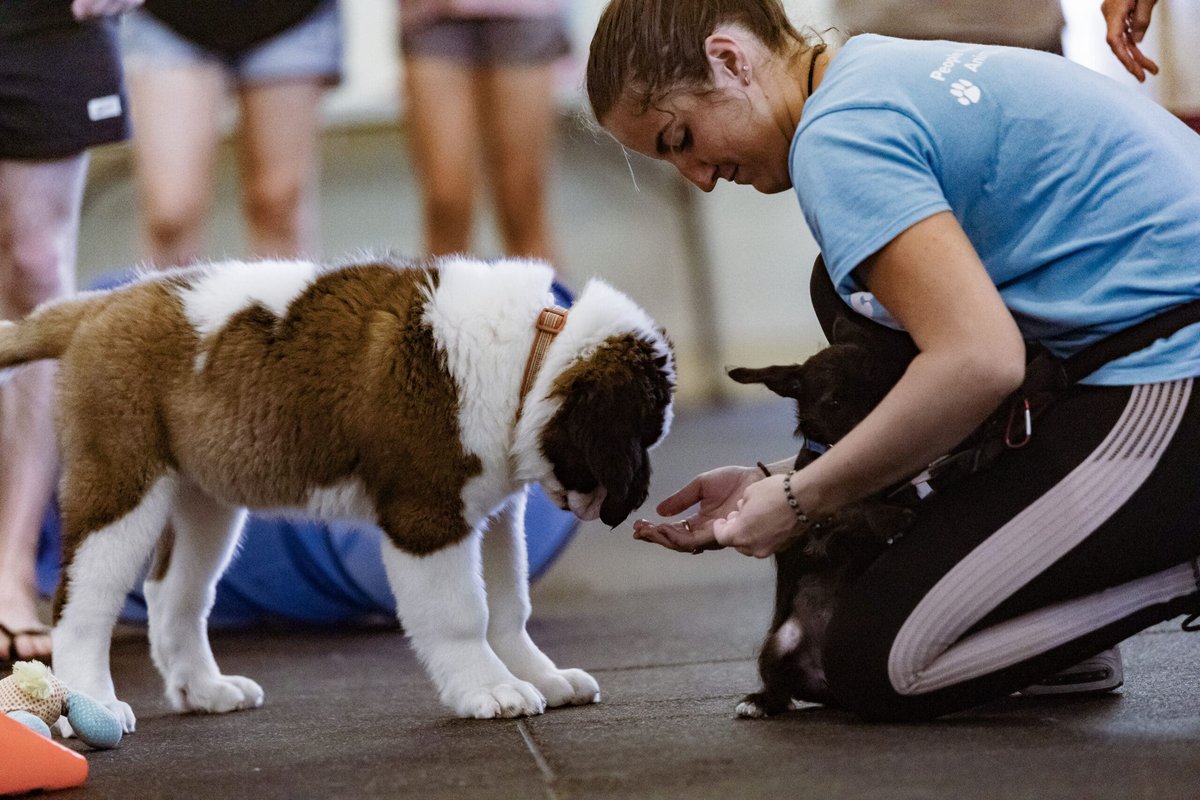
Essential Puppy Training & Socialization Shapes A Puppy's Confident Future
Bringing a new puppy home is an exhilarating adventure, a whirlwind of tiny paws, curious sniffs, and boundless potential. But beneath the adorable antics lies a profound responsibility: shaping this innocent creature into a confident, well-adjusted companion. The truth is, the first few months of your puppy’s life aren't just cute; they're critical. This isn't just about teaching "sit" and "stay"; it's about building an emotional bedrock that will define their confidence, trust, and behavior for a lifetime. Miss this window, and you risk a future riddled with fear and reactivity. Nail it, and you'll raise a joyful, resilient dog ready to navigate the world by your side.
At a Glance: Your Puppy's Blueprint for Success
- Window of Opportunity: The golden age for socialization and foundational learning is between 3 and 16 weeks old. Don't delay!
- Positive Power: Use only force-free, reward-based methods. Fear erodes trust; joy builds it.
- Daily Doses: Aim for frequent, short (5-10 minute) training and exposure sessions. Consistency is key.
- Quality Over Quantity: Controlled, positive interactions are far better than rushed or overwhelming experiences.
- Track Your Progress: Log exposures to ensure your puppy meets developmental milestones.
- Essential Tools: A freedom harness, treat pouch, and a reliable bite-tug toy are your best friends.
- Myth Busting: Avoid dog parks for early socialization and don't wait until all vaccinations are complete to begin safe exposures.
Why Every Moment Counts: The Science of Puppy Development
Imagine a sponge. Now imagine a puppy's brain during its first few months. From 3 to 16 weeks, your puppy's brain is astonishingly plastic, soaking up information and forming connections at an unparalleled rate. This "critical socialization window" is where positive exposures forge lifelong confidence and resilience. During these weeks, neural pathways are 1000 times more receptive than in an adult dog. Every interaction, every new sound, every novel texture is logged.
When your puppy experiences positive associations—like treats and praise during a new encounter—dopamine floods their system, cementing comfort and curiosity. Conversely, overwhelming or scary experiences trigger cortisol spikes, etching fear and anxiety deep into their developing brain. This can have lasting consequences; research indicates that poorly socialized puppies are 40% more likely to develop fear aggression as adults. After 16 weeks, adolescent hormones begin to kick in, challenging these foundational lessons, making those early wins incredibly important.
This isn't just about training tricks; it's about building a language of trust and communication. Establishing this emotional foundation early makes all future learning easier and more enjoyable for both of you.
Foundations First: Core Principles for a Happy Puppy
Before diving into specific activities, let's lay down the guiding principles that underpin all successful puppy raising. Think of these as your North Star for every interaction.
- Prioritize Emotional Health Above All Else: Your puppy must feel safe and secure. A fearful puppy cannot learn effectively. Every introduction, every training session, every new experience should be managed so your puppy feels confident, not overwhelmed.
- Build a Relationship, Then Build Skills: Training isn't about dominance; it's about partnership. Spend time bonding, playing, and understanding your puppy's unique personality. A strong, trusting relationship makes your puppy eager to learn from you.
- Safety is Non-Negotiable: All introductions, especially to new people, places, or other animals, must be controlled, supervised, and rewarding. The goal is positive association, not "sink or swim." Avoid any rushed or unsupervised encounters during this critical period to prevent accidental trauma.
- Positive Reinforcement, Always: This is the bedrock of effective, humane training. Reward desired behaviors with high-value treats, praise, and gentle play. Force, punishment, yelling, or intimidating your puppy will erode trust and can create lasting behavioral problems. Instead, teach alternative, enjoyable behaviors to redirect unwanted actions—learn about the power of positive reinforcement for deeper insight.
- Consistency Through Daily, Short Sessions: Puppies have short attention spans. Aim for 5-10 minute training bursts, several times a day. Little and often yields far better results than long, infrequent sessions. This builds muscle memory for good behavior and keeps learning fun.
Essential Gear to Get Started:
Having the right tools makes a significant difference:
- Freedom Harness: Designed to provide gentle control without discomfort, it prevents pulling and protects their delicate trachea.
- Treat Pouch: Keep high-value treats (like small pieces of chicken or cheese) readily accessible for instant rewards. Timing is everything!
- Bite-Tug Toy: A safe outlet for puppy nipping and a fantastic reward for high-drive pups.
- Socialization Log: A simple notebook or app to track daily exposures. This ensures you're hitting your targets and provides a record of what your puppy has experienced.
The Puppy Training & Socialization Blueprint: Week by Week
This roadmap guides you through the crucial phases of your puppy's early development, outlining specific goals and activities for each stage.
Weeks 3-8: The Home Foundation & Micro-Exposures
At this age, the world is enormous and potentially overwhelming. The focus is on safe, controlled, and positive exposures within the familiar confines of home. If you're getting your puppy from a breeder, this is where their groundwork is critical.
- Focus: Gentle, micro-exposures to novel sights, sounds, and textures at home.
- Exposures/Day: Aim for at least 5 novel positive experiences daily.
- Threshold Rule: Your puppy should exhibit only a relaxed, gentle tail wag. If they show any signs of stress (stiffening, yawning, trying to avoid), you've gone too far.
- Activities:
- People: Invite fully vaccinated friends (not strangers) over for brief, calm visits. Have them sit on the floor and offer small bits of chicken or other high-value treats while gently petting. Encourage calm interaction, not overwhelming attention.
- Household Objects & Sounds: Deliberately expose your puppy to common household items and sounds, always paired with play or treats. Demo the vacuum cleaner from a distance, open an umbrella, ring the doorbell (softly at first), or drop keys. Make it a game!
- Surfaces: Introduce them to different safe surfaces: carpet, tile, hardwood, bath mats, cardboard boxes, crinkly tunnels. Always make it a positive experience with treats.
- Crate as a Safe Base: Begin introducing the crate as a cozy den, never for punishment. Lure them in with treats, feed meals inside, and leave the door open. This builds a positive association for future crate training—read our guide to mastering crate training for more.
- Body Handling: Gently touch paws, ears, tail, and mouth while offering treats. This prepares them for vet visits and grooming.
- Goal: Achieve a minimum of 50 distinct, positive novel experiences by the time your puppy reaches 8 weeks old. Track these in your socialization log!
- Safety Note: Puppies under 8 weeks should only be socialized at home or within their breeder's safe environment. Their immune systems are still developing.
Weeks 8-16: Critical Socialization & Basic Training Takes Off
This is the most crucial period for environmental exposure, building confidence, and laying the groundwork for impulse control. Your puppy has likely received their first vaccinations and is ready for safe, controlled outings.
- Fear Periods: Be especially gentle and patient during 8-10 weeks. Puppies often experience "fear periods" where they can suddenly become more sensitive to novel stimuli. If your puppy seems regressed, simplify exposures and revisit basics.
- Goal 1: Exposure to the Environment (Controlled & Positive)
- Focus: Controlled public outings after first vaccines.
- Exposures/Day: Aim for 3 public exposures (Weeks 9-12), increasing to 7 mixed exposures (public and home) (Weeks 13-16).
- Threshold Rule:
- Weeks 9-12: Puppy exhibits calm breathing, no stiffness.
- Weeks 13-16: Puppy shows no lip licks, yawns, or avoidance behaviors. They should be curious and engaged.
- Activities:
- Public Places (Observation, Not Interaction): Take your puppy in a sling, stroller, or carrier to observe the world from a safe distance. Visit hardware stores, coffee shop patios, parks (avoiding grassy areas where unvaccinated dogs might have been), and quiet sidewalks. The goal is to see, hear, and smell, not necessarily interact.
- Movement & Objects: Introduce them to shopping carts passing by, people with hats/beards, bikes, skateboards, strollers, kids playing on swings (from a distance), and different walking surfaces like gravel, pavement, or bridges. Always pair these observations with high-value rewards.
- Other Dogs (Parallel Walks): Once your puppy has had their initial vaccinations, arrange parallel walks with calm, vaccinated adult dogs. Keep a distance of 20 feet or more. The goal is for them to simply see and become comfortable with other dogs existing nearby, not nose-to-nose greetings until they are consistently calm and confident. Avoid crowded dog parks; they can often be chaotic and lead to negative experiences for puppies.
- Puppy Classes: Enroll in a reputable puppy socialization class that emphasizes size-matched, monitored play. Instructors should intervene immediately if play becomes too rough or one puppy is stressed. Don't be afraid to exit if your puppy shows signs of discomfort or overwhelm.
- Car Rides & Vet Visits: Make car rides positive with treats and praise. Visit the vet clinic for "happy visits" where no procedures are done—just treats, praise, and positive interaction with staff. This builds resilience for preparing for your puppy's first vet visit.
- Body Handling: Continue practicing gentle handling, associating it with treats.
- Tracking: Keep a detailed socialization log. Record encounters with different types of people (kids, elderly, people in uniforms, people with umbrellas/hats), surfaces (metal grates, stairs, concrete), sounds (traffic, alarms, sirens), and other animals.
- Goal: Reach a minimum of 100 total positive experiences by 16 weeks. The aim is to teach your puppy that the world is a fun, fascinating place, not a scary one.
- Goal 2: Impulse Control & Basic Commands
- "Sit": Introduce "sit" as early as 8 weeks using positive reinforcement. Lure with a treat over their head, mark the behavior ("Yes!" or click), and reward generously.
- Integrate "Sit": Consistently ask for a "sit" before daily activities they desire, such as getting their meal, before you open the door for a walk, or before you throw a toy. This teaches them that polite behavior earns rewards.
- "Watch Me": Teach your puppy to make eye contact on cue. This is invaluable for gaining their attention in distracting environments.
- This is also a great time to start thinking about selecting the right puppy for your lifestyle if you haven't already, as understanding their breed traits can inform your training approach.
By 6 Months: Intermediate Training & Good Manners
Your puppy is now entering adolescence, a time when they might test boundaries. Consistency is paramount.
- Goal 3: Polite Play:
- "Drop It": Teach your puppy to release items on cue. Practice with toys: trade a less exciting toy for a high-value treat, then reintroduce the original toy.
- "Leave It": Teach them to ignore tempting items on the floor or ground.
- No Biting/Nipping: Continue to redirect nipping onto appropriate chew toys. If nipping becomes too hard, disengage from play for a few seconds. Ensure they understand what's off-limits (human body, clothing).
- Goal 4: Housetraining Mastery: By now, your puppy should be making steady progress with knowing the appropriate potty places. Accidents will happen, but they should be decreasing significantly. Regularly revisit effective housetraining tips to reinforce good habits.
- Goal 5: Being Alone: Your puppy should tolerate short periods of being alone, either in their crate or a safe, puppy-proofed enclosed space. This prevents separation anxiety. Gradually increase the duration of alone time.
- Goal 6: Rock-Solid Recall ("Come"): Your puppy should enthusiastically come running when called, even with mild distractions. Practice in a safe, enclosed area with high-value rewards. Make coming to you the most rewarding thing ever!
- Goal 7: Continued Impulse Control: Your puppy should consistently "sit" politely to ask for desired things (food, playtime, attention), avoiding barking, jumping, or nipping. Reinforce this constantly.
By One Year: Mastery of Basic Behaviors
Your adolescent dog should now be proficient in a range of essential behaviors, ready for more advanced training or simply to be a wonderful companion.
- Goal 8: Proficient Basic Behaviors:
- Sit, Down, and Stay: Your dog should hold these positions reliably, even with moderate distractions.
- Come When Called: This command should be close to 100% reliable, especially when off-leash in safe environments.
- Loose Leash Walking: Your dog should walk politely beside you without pulling, allowing for enjoyable strolls.
- Drop It and Leave It: These commands should be solid, crucial for safety and managing their environment.
Special Considerations: Adapting Your Approach
Not all puppies are the same. Tailor your methods to suit your dog's unique personality and background.
- High-Drive Puppies (e.g., Herders, Terriers): These pups have abundant energy and often a strong desire to "work." Keep sessions shorter and more frequent to match their attention span. Use tug rewards and incorporate activities that engage their minds, like puzzle toys or scent games.
- Fear-Prone Puppies (e.g., Chihuahuas, Rescues with Trauma): These puppies require extra patience and a significantly slower pace. Double your distance from novel stimuli and use soft, gradual introductions. Focus on building trust and making every interaction positive. Their "threshold rule" might be even more conservative.
- Puppies Over 16 Weeks (Delayed Socialization): While the critical window has passed, it's never too late to begin. Mimic the socialization blueprint using desensitization and counter-conditioning ladders. Start with extremely low-intensity exposures (e.g., observing a new object from a very far distance) paired with high-value treats, gradually decreasing distance as their comfort grows. This will take more time and patience.
Handler Mistakes to Avoid: Guarding Against Setbacks
Even with the best intentions, it's easy to make missteps. Be aware of these common pitfalls:
- Repeating Exposures to Overload: Constantly exposing your puppy to the same overwhelming situation (e.g., a noisy street market) without positive reinforcement will lead to desensitization, but often with anxiety, not true comfort. Vary experiences and ensure positive associations.
- Skipping Rewards: Forgetting to reward desired behavior, especially during novel exposures, "poisons" the association. If a puppy experiences something new without a positive outcome (like a treat), they learn to be neutral or even wary, not confident.
- Allowing Unsupervised Dog Meets: Letting your puppy "figure it out" with unknown adult dogs can be disastrous. An overly harsh correction from an adult dog can imprint a lifelong fear of other canines. Always ensure interactions are monitored and with known, gentle dogs.
- Yelling, Punishment, or Force: These tactics don't teach; they intimidate. Forcing a puppy into a scary situation (e.g., dragging them towards a feared object) erodes trust and can exacerbate fear. Never steal food dishes or punish a puppy for guarding; instead, practice safe resource guarding drills by approaching and adding treats, creating a positive association with your presence during meal times.
- Ignoring Red Flags: Stiffening, lip licking, yawning, tucked tail, avoidance, or whale eye are all signs of stress. Don't push through! Instead, pause the interaction, increase distance, and use the highest value treats to create a positive change in association. Video sessions can be incredibly useful for stress audits – rewatch interactions to spot subtle cues you might have missed in the moment.
Maintaining the Momentum: Beyond Puppyhood
Socialization and training aren't "one and done." They're ongoing processes.
- Continue Weekly Novelties: Through adolescence and into adulthood, continue to introduce your dog to new places, people, and experiences. This could be a new hiking trail, a different neighborhood for a walk, observing a local festival from a distance, or visiting a friend's house. This keeps their world view open and reinforces their confidence.
- Annual Professional Evaluations: Consider an annual check-in with a certified professional dog trainer or behaviorist. They can help identify any emerging issues, refine skills, and ensure your dog continues to thrive.
Busting Common Puppy Training Myths
Let's clear up some widely held, but often harmful, misconceptions:
- Myth: "Dog parks are the best way to socialize a puppy."
- Reality: Dog parks, especially for young puppies, can be overwhelming and dangerous. They often involve unsupervised interactions with unknown dogs, leading to bullying, fear, or negative associations. Controlled, parallel walks and carefully selected puppy classes are far superior for early socialization.
- Myth: "Wait until your puppy is fully vaccinated before taking them out."
- Reality: While vaccination is important, waiting until all shots are complete means you miss the crucial 3-16 week socialization window. Safe, controlled exposures (like carrying them in public, visiting quiet stores, or parallel walks with vaccinated dogs) are essential during this time. Consult your vet for guidance on safe outings for your specific puppy's vaccination schedule.
- Myth: "You only need to socialize a puppy once."
- Reality: Socialization is an ongoing process of positive exposures, not a single event. It requires daily, consistent effort throughout puppyhood and into adolescence to build and maintain a confident, well-adjusted dog.
Building a Lifetime of Joy
The journey of Your guide to baby dogs is filled with both challenges and immense rewards. By understanding the science, committing to positive reinforcement, and following a thoughtful blueprint for training and socialization, you're not just raising a pet; you're cultivating a confident, happy, and well-behaved member of your family. The effort you put in now will pay dividends for years to come, strengthening your bond and ensuring a lifetime of shared adventures. Start today, be patient, and cherish every moment – your puppy's confident future starts with you.